What is an EAL/D learner?
An English as an Additional Language or Dialect, otherwise known as an EAL/D Learner , within Australian schools is defined as a child who comes from a cultural and/or linguistic background where English is not their first language. These children, when entering school often have to learn English as an additional language as well as Australian cultural expectations.
EAL/D student’s often learn and develop skills in both English (at school) and their first, second or third language (at home) the acquisition of two or more languages results in the child becoming bilingual (a person who speaks two languages) or monolingual (a person who speaks three or more languages).
What is Bilingualism and Monolingualism?
A bilingual person is somebody who is fluent or learning one additional language. A monolingual person is somebody who is fluent or learning two or more additional languages. A bilingual and monolingual person can become fluent in the four basic skills of language speaking, reading, writing, and listening. A bilingual and monolingual’s language ability can vary across the four basic skills of language (Arkoudis, S., & Creese, A., 2006).
A person may become bilingual/ monolingual as:
- they speak a different language at home to the one spoken in school
- need to learn the language of a new country to interact with others
- wish to learn an additional language because they are interested in the culture
There are many different types of bilinguals this includes:
- Individual Bilingualism:
- Language competence in more than one language in speaking, reading, listening and writing
- use of more than one language in everyday life
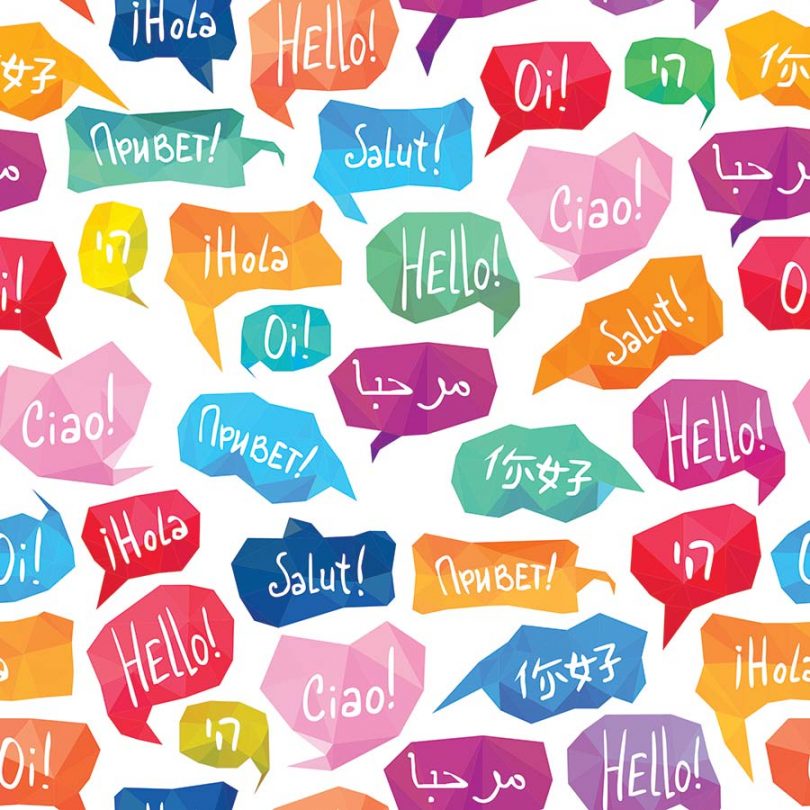
- Functional Bilingualism:
- people who use their two languages in everyday life
- Elective and circumstantial bilingualism:
- Choose to learn an additional language so they can communicate with others in larger society
- Balanced Bilinguals:
- equally fluent in two or more languages
- Emergent Bilinguals:
- a second language learner in the process of developing proficiency in a new language
- languages are interconnected and co-existing
(Arkoudis, S., & Creese, A., 2006)
 Learning for EAL/D Communities