English Learning for Parents/ Guardians
For parents/ guardians who are looking to develop their won English skills the following is a list of additional resources to help you on your own English Learning journey:
Translating and interpretation services:
- Wordreference https://www.wordreference.com/
- Collins Dictionary https://www.collinsdictionary.com/
- Cambridge Dictionary https://dictionary.cambridge.org/dictionary/
Library services that have resources in various languages:
- Brisbane City Council libraries: https://www.brisbane.qld.gov.au/things-to-see-and-do/council-venues-and-precincts/libraries/facilities-services/library-collections-and-services
- Logan City Council libraries: https://loganlibraries.org/community-languages/
- Townsville City Council Library: https://www.townsville.qld.gov.au/facilities-and-recreation/libraries
- Cains City Council Library: https://www.cairns.qld.gov.au/library
Online English support groups:
- Free English conversation groups https://www.brisbane.qld.gov.au/whats-on-and-events/search?type=1
- Find multicultural organisations near you https://www.communities.qld.gov.au/multicultural/multicultural-affairs/multicultural-communities/queensland-multicultural-resource-directory/search-directory
Family support
Parents/ Guardians play a fundamental roll in children’s social, emotional and intellectual development. It is at home that we first learn how to communicate with others verbally, an important aspect to EAL/D learners academic success is their continued emersion in their ‘home language’. It is important as parents/ guardians that you continue to immerse your children in their cultural background and continue to support their use of their mother tongue (their first language).
The following video provides an explanation of the importance of ensuring children continue to learn in their mother tongue:
Published UNIC Lima for the International Mother Language Day on Feb 20, 2014
English Learning at Home
Learning occurs both at school and home and for student’s academic success it is important they receive help and guidance at home to develop their language ability. To help support your child’s learning become familiar with the topics and subjects they will be learning in school. To find an overview of the learning goals and requirements for your children visit the Australian Curriculum: Parent Information tab accessible via https://www.australiancurriculum.edu.au/parent-information/.
The following will provide a list of resources and activities both parents and students can work together on to continue their language learning at home in Reading, Writing, Listening and Speaking.
Reading:
Reading is a complicated process that involves the association of letters and/or syllables with sound and meaning to develop understanding and comprehension of a subject. There are many strategies parents/guardians can use at home to help children develop their reading skills. The following is a short compilation of effective resources you can access at home to hep guide and encrouage reading at home in English.

- Encourage your child to read aloud to you. You may personally not be a strong reader of English, however, do not discourage your child from reading to you. Together you can learn the conventions of the English language. Start by reading stories or novels children already know in their mother tongue. The State Libraries have a number of fantastic translated and modern versions of traditional stories from a wide variety of cultures. The libraries online resources are accessible via:
- Brisbane City Council Library: https://www.brisbane.qld.gov.au/things-to-see-and-do/council-venues-and-precincts/libraries/facilities-services/library-collections-and-services
- Logan City Council Library: https://loganlibraries.org/community-languages/
- Townsville City Council Library: https://www.townsville.qld.gov.au/facilities-and-recreation/libraries
- Cains City Council Library: https://www.cairns.qld.gov.au/library
- Read with a translating dictionary. As you and your child read together it can be extremely beneficial to read with a translation dictionary. Look up the words you or your child struggle to read or do not know the definition. It can be helpful to look up the definition in both your native language and English. Free online translation dictionaries are accessible via:
- Wordreference https://www.wordreference.com/
- Collins Dictionary https://www.collinsdictionary.com/
- Cambridge Dictionary https://dictionary.cambridge.org/dictionary/
- It can be helpful to display sight-words or children’s words from their weekly spelling list on the fridge or wall they can easily see. Have them read the words as often as possible so they can build their word recognition skills. It can also be helpful to have the translation of these words displayed next to them so they can develop reading in their home language. To find age appropriatte sight-word posters visit https://www.teacherspayteachers.com/Browse/Search:sight%20words%20posters
- For further information on ways to help develop your child’s reading at home visit https://www.readingrockets.org/blogs/shanahan-literacy/11-ways-parents-can-help-their-children-read. On this site Timothy Shanahan (2015) has provided a list of 11 ways parents/ guardians can support children’s reading at home.
Writing:
Writing is a necessary skill children need to develop in order to effectively communicate their thoughts and ideas in both an academic and social environment. As parents/ guardians there are a number of resources available to use at home to help children develop their writing skills. The following is a short compilation of techniques and resources parents/ guardians use at home to help support children to develop their writing skills. (The list has been addapted from The National Association for the Education of Young Children (NAEYC) Supporting Writing at Home)

- Encourage your child to be the ‘adult’ for the day. Allow children the opportunity to write on Greeting Cards or Shopping List. These tasks help children understand how writing can be used in everyday life and provides them with the opportunity to learn new words and letter sounds.
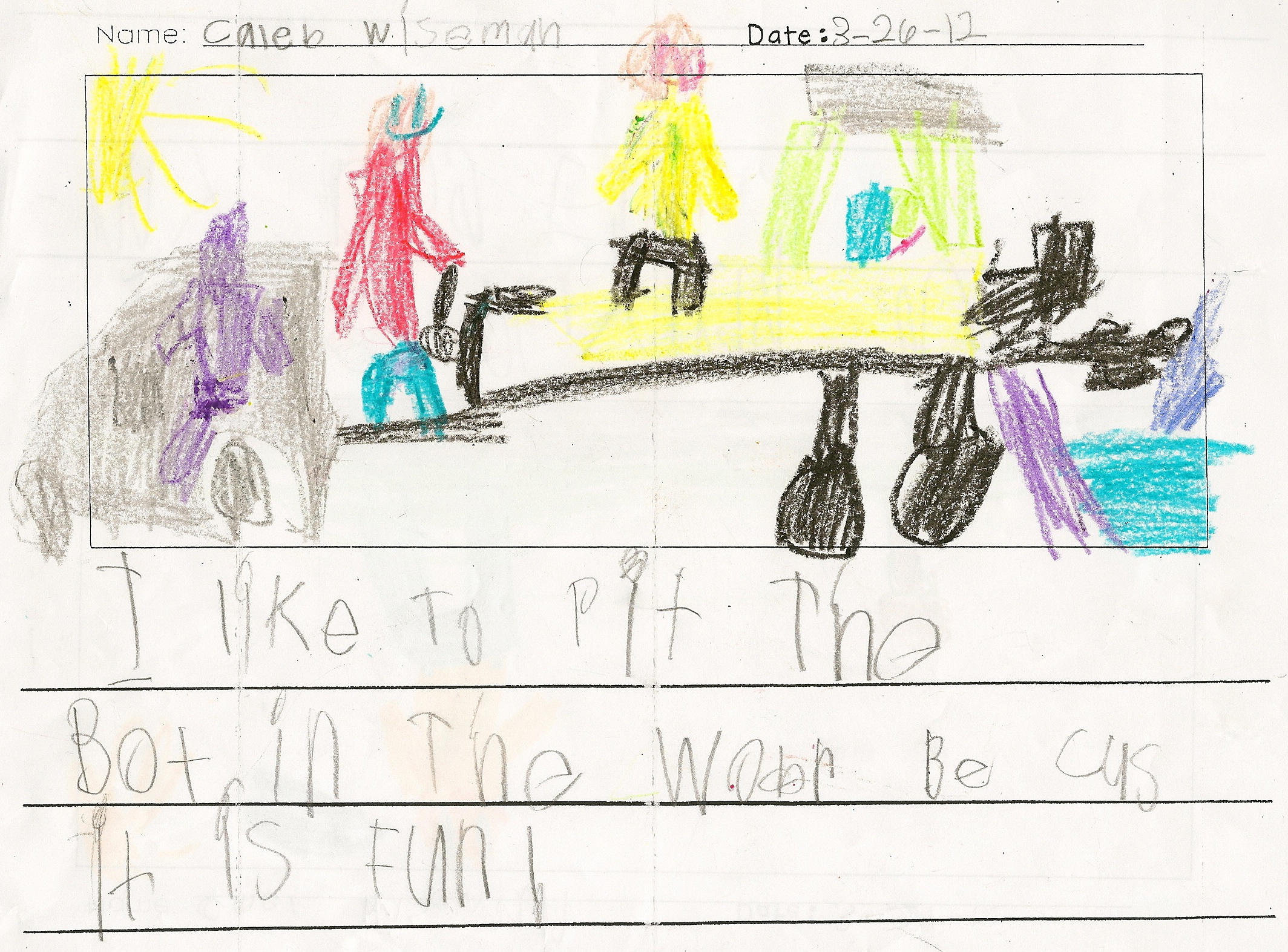
- Encourage children to write a story about their drawings and display it around the house. By encouraging children to write a discription about their stories they can develop their ability to communicate their thoughts and ideas though written work. It is important to display their work around the house as it shows them you appreciate their efforts and is a nonverbal form of encouragement.
Your child will be immersed in writing at school so it is important to make writing fun at home and show them why it is important to learn how to write. If your child is unsure of how to spell or has spelt a word wrong do not discourage them. Have them look the work up in a dictionary. It may be helpful for them to read the definition of the work in both their mother tongue and English.
Listening:
A key aspect of children’s academic and social success in context where English is the dominant form of communication is their ability to understand and distinguish difference between sounds and understand how vocabulary and text structure is used to create meaning in English.
Parents/ guardians can support their child’s immersion in English learning by telling or having children listen to traditional stories they already know in their mother tongue in English. If you are not confident in your own ability to tell the story in English there are many Youtube channels that read the English translated version of traditional stories. The following is a list of popular children’s story Youtube channels.
- Hindi Fairy Tails https://www.youtube.com/channel/UCsyoNsqE37tZIkuvqVPTa7g
- Chinese Fairy Tails https://www.youtube.com/channel/UCZh0I81cEMmC6MOk4WM8foA
- Magic Box English Stories. Animated videos of traditional children’s stories from over 50 different cultures told in English https://www.youtube.com/channel/UCcBXr47HBrCsKplyw6iKf3g
Speaking:
It is important children become confident and skilled speakers of English in order to communicate with their teachers, school staff and other students. Although it is important children continue to speak in their mother tongue at home as parents/ guardians you can encourage children to develop their English speaking skills at home too. Here is a short list adapted from Cambridge English ‘How to encourage children who are not confident speaking in English‘ https://www.cambridgeenglish.org/learning-english/parents-and-children/information-for-parents/tips-and-advice/how-to-encourage-children-who-are-not-confident-speaking-in-english/.

- Encourage children to give answers in English. No matter how long or short their answer, it is important to encourage children to use English in a variety of contexts. For example, when asking them how their day was at school encourage them to use English to answer, even if they only answer with ‘good’ it is important to acknowledge their use of English and commend them for doing so.
- In car trips ask children to explain what they see. For example, “I see a green tree.” This will provide them with an opportunity to use discriptive words and begin to form and use longer sentences and a variety of sentence patterns.
- If they make a mistake while talking wait for them to finish their sentence, then repeat the sentence or phrase back to them correctly and encourage them to say it again. This will help them understand where they went wrong and will not discourage them from continuing to use English.
 Learning for EAL/D Communities